Fall Pet Safety Tips: 5 Autumn Activities to Enjoy With Your Pet in Vermont
Fall in Vermont is hard to beat. The air is crisp, the foliage is at its peak, and the summer heat that kept many dogs panting on the porch is gone. It’s one of the best seasons to get outside with your pet. Here are five of our favorite fall activities for dogs and cats, along with fall pet safety tips from the emergency team at Burlington Emergency & Veterinary Specialists (BEVS) to help you avoid common seasonal hazards.
1. Go Hiking With Your Dog During Foliage Season
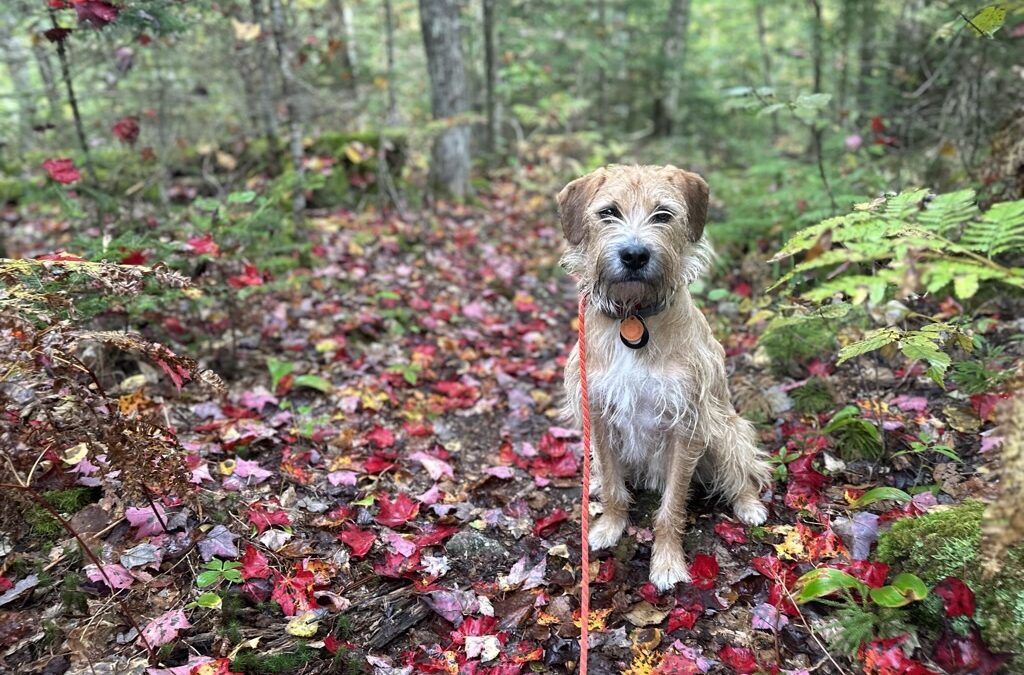
Cooler temperatures make autumn an ideal time for hiking with dogs. Whether you’re climbing a local peak or walking a flat trail along Lake Champlain, new sights and smells keep dogs happy and engaged.
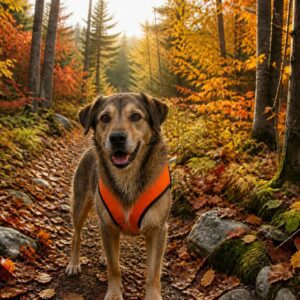
Fall hiking safety for dogs: Hunting season runs through the fall in Vermont, so put blaze orange on both of you, such as a vest or bandana for your dog, and keep them leashed in wooded areas. Check for ticks after every hike, because they stay active well into the cooler months. Watch for wild mushrooms along the trail, too. Some are highly toxic to dogs, and toxic and harmless species can be hard to tell apart.
2. Visit a Dog-Friendly Apple Orchard or Farm Stand
Many Vermont orchards and farm markets welcome leashed dogs. Apple picking and pumpkin shopping with your pup is an easy fall outing, and it’s great for photos.
Can dogs eat apples? Yes, plain apple slices are a healthy treat in moderation. Keep your dog away from the cores and seeds, and from fallen fruit that may be fermenting on the ground. Skip cider donuts, caramel apples, and anything sweetened with xylitol, which can be life-threatening for dogs.
3. Celebrate a Pet-Safe Halloween
Costumes, pumpkin patches, and trick-or-treat photos make Halloween fun for pet families. If your pet genuinely enjoys dressing up, go ahead.
Halloween pet safety tips: Choose costumes that don’t restrict movement, vision, or breathing, and never leave your pet unsupervised in one. Keep all Halloween candy out of reach, especially chocolate and sugar-free treats containing xylitol. If constant doorbells stress your pet, set them up in a quiet room during trick-or-treat hours. Make sure ID tags and microchip information are current in case they slip out an open door.

4. Stay Visible on Evening Dog Walks
After the clocks change in November, many daily walks happen after dark. Try a new route and enjoy the quieter streets.
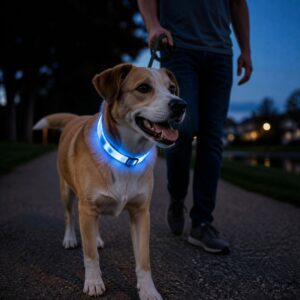
Is antifreeze toxic to dogs and cats? Yes, and it’s one of the most dangerous fall hazards we see. Antifreeze tastes sweet, and even a small amount can be fatal to dogs and cats. Avoid puddles near driveways and parking areas, and clean up any leaks in your garage right away. For night walks, use a reflective leash, a light-up collar, or a clip-on LED so drivers can see you both.
5. Keep Pets Busy With Indoor Enrichment on Rainy Days
When the weather turns cold and wet, bring the fun inside. Puzzle feeders, snuffle mats, scent games, and short training sessions give dogs and cats mental exercise when outdoor time is limited.
Indoor fall hazards for pets: As temperatures drop, mice move indoors, and so do rodent poisons. Rodenticides are a common cause of pet poisoning in the fall, so place baits where pets can’t reach them or choose pet-safe alternatives. Keep space heaters and fireplaces behind a barrier to protect curious noses and tails.
Fall Pet Safety FAQs
What are the most common fall hazards for pets?
Common seasonal hazards include antifreeze, rodent poison, wild mushrooms, Halloween candy (especially chocolate and xylitol), ticks, and reduced visibility on evening walks.
What should I do if my dog eats something toxic?
Contact your veterinarian or an emergency vet right away, even if your pet seems fine. Some toxins, including antifreeze and rodenticides, may not cause symptoms until serious damage has already occurred. You can also call the ASPCA Animal Poison Control Center 24/7 at (888) 426-4435 for guidance. If your pet is showing symptoms, don’t wait for a callback. Head straight to the nearest emergency hospital.
Is there a 24-hour emergency vet near Burlington, VT?
Yes. Burlington Emergency & Veterinary Specialists in Williston is open 24/7 for pet emergencies and works alongside your family veterinarian.
Emergency Vet Care in Burlington and Williston, VT
Even careful pet parents have accidents. If your pet eats something they shouldn’t, is injured on the trail, or just doesn’t seem like themselves, don’t wait to see if it passes. BEVS provides 24/7 emergency and specialty veterinary care in Williston, serving pet families across the Burlington area and throughout Vermont.
From all of us at Burlington Emergency & Veterinary Specialists, happy fall!